Rubbish Removal on Mitcham High Street CR4: Merton Guide
Posted on 06/05/2026
If you are dealing with a pile of unwanted items on or near Mitcham High Street, you are probably after something simple: a fast, lawful, and sensible way to get rid of it without turning your day upside down. That is really what this guide is about. Rubbish Removal on Mitcham High Street CR4: Merton Guide breaks down how local clearance works, what to expect, what to avoid, and how to choose the right option for homes, shops, flats, and workspaces in the area.
Mitcham High Street has its own rhythm. Busy pavements, mixed-use properties, tight access in places, deliveries coming and going, and the usual London pressure of "just get it done already." Whether you have a broken wardrobe, builder's rubble, old office desks, or a garden pile that has outgrown the bin, the goal is the same: remove the waste safely, efficiently, and with as little fuss as possible. Let's face it, nobody wants rubbish hanging around longer than it needs to.
This article also points you to a few useful local resources if you want to explore services and supporting information in more detail, including the full services overview, rubbish removal in Merton, and pricing and quote guidance. If you prefer to understand the company behind the work first, you can also read about us and the page on insurance and safety.
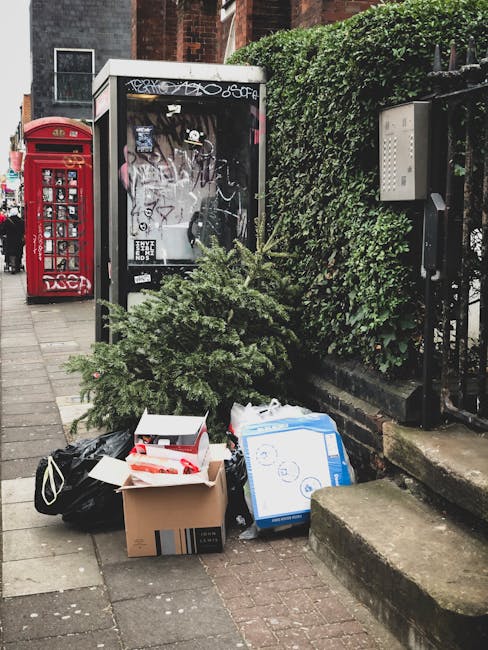
Why Rubbish Removal on Mitcham High Street CR4: Merton Guide Matters
Rubbish removal in a place like Mitcham High Street is not just a cleanliness issue. It affects access, kerb appeal, safety, neighbour relations, and sometimes even whether a space can be used properly at all. On a street with shops, flats, smaller commercial units, and regular foot traffic, waste can build up quickly and become a nuisance before you have even clocked it.
There is also the practical side. A stack of bulky waste in a hallway can slow down residents. Bags left out too long can attract pests or create trip hazards. Builders' debris can make a site awkward to work on. For businesses, clutter at the back of a shop or office can make operations feel disorganised and a bit cramped. No drama, just the reality of it.
Local rubbish removal matters because the right service should fit the way Mitcham actually works: limited loading space in some spots, time-sensitive access, mixed property types, and the need to avoid blocking pavements or creating awkward delays. If you live or work nearby, a good clearance plan should feel like a solution, not another task on the to-do list.
And there is a wider Merton context too. Waste handling ties into broader ideas around recycling and sustainability, which means the job should not just be "take it away"; it should also mean sorting what can be reused, recycled, or disposed of properly. That balance is what makes a service genuinely useful.
How Rubbish Removal on Mitcham High Street CR4: Merton Guide Works
Most local rubbish removal jobs follow a fairly straightforward process, though the details depend on the property and the type of waste. In simple terms, you request a collection, describe what needs removing, agree on access and timing, and the team turns up to load the waste and clear the area. Easy in principle. Slightly more fiddly in real life, especially if the rubbish is upstairs, behind a locked gate, or mixed with heavy items.
For standard collections, the process usually starts with an assessment of what needs to go. A sofa and a few bags of household junk are very different from builders' waste, old office furniture, or a full flat clearance. Good planning matters because different waste types can affect vehicle size, handling time, and how the load is sorted afterwards.
In many cases, the crew will aim to remove items from inside the property, from a front garden, or from the pavement side where access is agreed and safe. That is one reason local knowledge counts. On Mitcham High Street, timing and access can make the difference between a smooth collection and a slightly awkward one.
If you need a broader view of the types of work typically covered, it helps to look at the services page and the more general waste clearance in Merton option. For heavier trade and renovation materials, the relevant route may be builders waste disposal rather than a standard household pickup.
One small but important point: a reputable provider should be clear about what can and cannot be taken. That includes restricted items, electricals, and anything requiring special handling. It sounds obvious, but a lot of hassle later on comes from vague expectations at the start.
Key Benefits and Practical Advantages
The strongest reason to arrange rubbish removal locally is simple: it saves time and stress. But there are a few other practical advantages worth spelling out.
- Speed: You avoid letting waste sit around while you try to sort transport, lifting, and disposal yourself.
- Convenience: Collection can often be arranged around your access window, which is useful in busy parts of Merton.
- Reduced physical effort: Bulky furniture, bagged waste, and awkward items are handled for you.
- Cleaner premises: A clear space is easier to use, easier to rent, and easier to present to others.
- Better sorting: Professional disposal can support reuse and recycling where suitable.
- Safer movement: Fewer obstacles means fewer trip hazards for residents, staff, or visitors.
There is also a less obvious benefit: peace of mind. If you are clearing a flat after a move, for example, or dealing with renovation mess after a long day, the emotional difference between "still surrounded by it" and "done, gone, sorted" is bigger than people expect. Truth be told, clutter can wear you down.
For landlords, letting agents, and sellers, a fast clearance can improve how a property presents between tenancies or before viewings. If you are interested in local property movement and what that means for the area, you may also find property market updates in Merton and the Merton buyers' guide useful background reading.
Who This Is For and When It Makes Sense
Rubbish removal on or near Mitcham High Street is useful for a wide range of people, not just those in the middle of a big clear-out.
Households and flat residents
If you have bulky items, old mattresses, bags of mixed junk, broken appliances, or end-of-tenancy waste, a local pickup saves you having to hire a van or make multiple trips to a site. That is especially helpful if you are in a flat with stairs and no lift. Even one awkward wardrobe can become a whole afternoon.
Shop owners and small businesses
Retail spaces, cafes, salons, and offices often generate packaging waste, outdated fittings, old stock, or furniture that no longer fits the way the business runs. Clearing it promptly helps you keep the front and back of house tidy. If you need a more business-focused service, see office clearance in Merton.
Landlords, agents, and property managers
Vacant properties need to be turned over quickly. You might have leftover tenant items, bin overflow, or renovation debris between lets. A dependable clearance service can help you get the place back to standard without delay. For full property emptying, house clearance is often the better fit.
Tradespeople and renovators
Builders' rubble, broken plasterboard, timber offcuts, packaging, tiles, and old fixtures all add up fast. On a busy street, waste piled near the entrance can also get in the way of materials and tools. If that sounds familiar, you are probably in builder-waste territory rather than general rubbish.
Garden and outdoor clean-ups
Front garden cuttings, hedge trimmings, soil, and branches need a different approach from everyday household clutter. For that, a dedicated garden waste removal service may be more appropriate.
So when does it make sense? Usually when the waste is too bulky, too much, too heavy, or too awkward for normal bins and personal transport. If you are hesitating, ask yourself: is this likely to be a one-trip job or a half-day saga? That answer tells you a lot.
Step-by-Step Guidance
If you want the process to run smoothly, a bit of preparation pays off. You do not need to overthink it, but a few minutes of planning can save a lot of back-and-forth later.
- List the waste clearly. Write down what you have, including bulky items, bags, furniture, and any mixed materials.
- Separate special items. Keep electricals, paint, sharp items, and anything potentially restricted apart until you know how they will be handled.
- Check access. Think about stairs, gates, parking, loading space, narrow corridors, and whether someone needs to be on site to open up.
- Take a quick photo. A few honest images can help confirm the amount and type of waste. It also reduces awkward surprises. Handy, really.
- Ask what is included. Clarify labour, loading, disposal, and any extra handling for awkward access or heavy items.
- Choose a sensible time. On a street like Mitcham High Street, off-peak timing can make loading easier and less disruptive.
- Prepare the area. Move personal belongings, unlock access routes, and make sure the waste is easy to reach.
- Confirm collection details. Double-check the date, arrival window, and any contact instructions.
A small real-world example: if you are clearing a shop storeroom on a Friday afternoon, the job can be far simpler if stock cages, old boxes, and broken shelving are already grouped by type. Not perfect, just organised enough. That little bit of order helps the crew work faster and can keep the whole process calmer.
If you are not sure which service best fits your case, the broader services overview is a good place to compare options before booking.
Expert Tips for Better Results
There are a few habits that consistently make rubbish clearance easier, cheaper, and less stressful. Nothing exotic. Just sensible habits that local crews tend to appreciate.
- Be precise about volume: "A few bags" can mean very different things to different people. Try to count items or estimate in bags, boxes, or furniture pieces.
- Keep mixed waste visible: If you hide half the load in a cupboard or back room, the quote may be less accurate. Transparency helps everyone.
- Plan for parking and access: In busy areas, a clear loading plan avoids delays and frustration.
- Ask about recycling: Waste can often be sorted so that recoverable materials do not all go to the same place.
- Book before the mess becomes urgent: Emergency clearances are doable, but they are usually more stressful than planned ones.
- Think in zones: Separate "go", "keep", and "not sure yet" piles. It sounds almost too simple, but it works.
One thing I would stress: clear communication beats clever assumptions. If a stairwell is tight, say so. If the waste is in a rear yard, say so. If the lift is out, say so. That honesty helps prevent any surprises on the day.
For customers who care about responsible disposal, the page on recycling and sustainability is worth a look. It helps set expectations around reuse, sorting, and environmentally considerate handling.

Common Mistakes to Avoid
A lot of rubbish removal problems are avoidable. In fact, most are. They usually come from rushed decisions, fuzzy expectations, or trying to save a little time in the wrong place.
- Leaving waste until the last minute: The more urgent the job becomes, the harder it is to plan access and timing properly.
- Underestimating the load: A few visible items can hide a much larger amount once moved.
- Mixing restricted items without asking: Some waste types need special handling, and pretending otherwise is never a good idea.
- Not checking access: A collection can be delayed by a vehicle that cannot park close enough or by a locked rear entrance.
- Choosing only by price: Cheapest is not always best if the quote excludes important parts of the job.
- Forgetting to ask about insurance: If items must be lifted through tight spaces, it is sensible to know how the provider approaches risk and safety.
A tiny but common mistake is assuming "rubbish removal" and "waste clearance" always mean exactly the same thing. In practice, the wording can overlap, but the job scope may differ. If you want a general overview of what the service family covers, the waste clearance page can help anchor the decision.
Also, if you are planning to dispose of items yourself, remember that the time cost, van hire, loading effort, and disposal process often add up. The savings are not always as big as they look on paper. Annoying, but true.
Tools, Resources and Recommendations
You do not need much equipment for a professional collection, but a few simple tools and references can make your life easier if you are preparing the site.
Useful practical tools
- Phone camera: Quick photos help with planning and quote accuracy.
- Basic tape measure: Handy for checking bulky furniture, appliance dimensions, or door widths.
- Marker tape or sticky notes: Useful for labelling items you want removed versus kept.
- Gloves: Good for sorting items safely before collection day.
- Boxes or bags: Help group loose waste so the area stays tidy.
Helpful reading and support pages
For readers comparing service scope or checking provider trust signals, a few internal resources are especially relevant. Start with the core service listings, then review payment and security if you want to understand how transactions are handled. If accessibility matters to you or your team, the accessibility statement is also worth a quick look.
If your job is tied to a move, sale, or tenancy change, local context can help as well. The guides on Merton living and exploring Merton as a suburb offer a broader feel for the area. That may sound unrelated, but it genuinely helps when you are planning around local property and occupancy patterns.
Law, Compliance, Standards, or Best Practice
Waste handling in the UK should be taken seriously, even for everyday household rubbish. You do not need to become a compliance expert, but you should expect sensible standards around safe handling, lawful disposal, and appropriate duty of care. In plain English, your waste should not just disappear; it should go somewhere legitimate.
For anyone arranging clearance, the most important practical points are usually these:
- Use a provider that can dispose of waste properly. Avoid anything vague or suspiciously casual.
- Check how special items are handled. Electricals, sharp materials, and potentially hazardous items often need extra care.
- Expect safe manual handling. Heavy lifts, stairs, and awkward furniture should be dealt with carefully.
- Keep records where needed. Businesses, landlords, and managing agents may need documentation for their own files.
If you are curious about the company's operating standards, the insurance and safety information gives useful reassurance. That is the kind of page that tells you whether a service takes the boring-but-important parts seriously. And boring, in this case, is good.
There is also a responsible sourcing angle. Choosing a provider with clear sustainability practices can support reuse and recovery where possible. Not every item can be recycled, of course, but good sorting beats dumping mixed waste blindly.
Options, Methods, or Comparison Table
Different clearances suit different situations. If you are deciding how to move waste off Mitcham High Street or nearby streets in CR4, this simple comparison may help.
| Method | Best For | Pros | Watch Outs |
|---|---|---|---|
| Professional rubbish removal | Mixed household, bulky items, urgent clear-outs | Fast, convenient, labour included | Needs accurate description of waste and access |
| House clearance | Full or partial property emptying | Good for larger jobs and move-outs | Can take longer to plan if items are spread out |
| Builders waste disposal | Renovations, repairs, and site debris | Suitable for heavy trade waste | Waste type must be described correctly |
| Garden waste removal | Cuttings, branches, soil, outdoor clean-ups | Good for seasonal tidy-ups | Wet green waste can be heavier than expected |
| Self-haul to a disposal site | Small loads with easy transport | Can suit very small volumes | Time, van hire, loading, and disposal all fall on you |
For many readers, the decision is less about "which is best" and more about "which is least disruptive." If the waste is scattered, bulky, or heavy, professional removal usually wins on convenience alone. If the waste is simple and tiny, self-haul might be enough. Simple as that.
Case Study or Real-World Example
Here is a realistic local-style example. A small business near Mitcham High Street closes for an interior refresh. They have old display units, cardboard packaging, broken shelving, a few office chairs, and a bagged mix of odds and ends that has accumulated behind the counter over time. Nothing dramatic. Just enough to become a headache.
At first, the team thinks it can all be dealt with in one quick trip. Then the awkward bits appear: a heavy cabinet, a tight back passage, and a lift that is not really fit for purpose. That is the sort of moment when a proper clearance plan starts to look very sensible.
The better approach was to separate the items into a clear list, take photos, confirm access, and arrange a collection that could handle the volume and the lifting. The result was a clean restart before opening hours the next day. Not glamorous, but very effective.
This is a common pattern in Merton jobs: the waste itself is manageable, but the access, timing, or mixed contents make the difference. A good provider should help reduce the friction rather than add to it. That is the whole point.
If the same scenario involved a larger refurbishment, the job might shift toward builders waste disposal in Merton. If it were a flat being emptied before new tenants moved in, house clearance would be the better match.
Practical Checklist
Use this quick checklist before booking or collecting waste yourself. It is short, but it covers the things people most often miss.
- Have you listed every item that needs removing?
- Do you know whether anything is restricted or needs special handling?
- Is access clear from the street, rear entrance, or stairwell?
- Have you checked for parking or loading restrictions nearby?
- Have you separated items you want to keep from items going?
- Are there any fragile surfaces, narrow doors, or awkward corners to mention?
- Do you know whether the job is household, commercial, garden, or builders waste?
- Have you looked at pricing and quote details in advance?
- Do you understand how the provider handles safety and disposal?
- Have you confirmed the time window and contact details for collection day?
Keep this list nearby when you are planning. It saves stress, and oddly enough, it also makes the whole job feel smaller.
Conclusion
Rubbish removal on Mitcham High Street CR4 is really about making busy local life easier. Whether you are clearing a flat, emptying a shop back room, removing builders' waste, or just trying to regain control of a cluttered space, the right approach saves time and cuts down on hassle. And in a place with varied properties and active street movement, local awareness matters just as much as manpower.
Start with a clear list, check access, choose the right type of clearance, and make sure the provider is transparent about disposal, safety, and pricing. That combination tends to produce the smoothest results. It is not complicated, but it does reward a bit of thought up front.
If you want a reliable next step, review the service pages, compare the job type carefully, and speak to a team that understands Merton's day-to-day reality. The difference between a rushed removal and a well-handled one is often just a few practical decisions made early. And that, to be fair, can make a huge difference.
Get a free quote today and see how much you can save.
When the clutter is gone, the space feels lighter straight away. Sometimes that small reset is exactly what a busy street, or a busy week, needs.
 Tipper Van - Rubbish Collection and Office Waste Removal Prices in Merton, SW19
 Luton Van - Rubbish Collection and Office Waste Removal Prices in Merton, SW19